
The Legal Risks of Sharing Screenshots Online Under Dubai Law
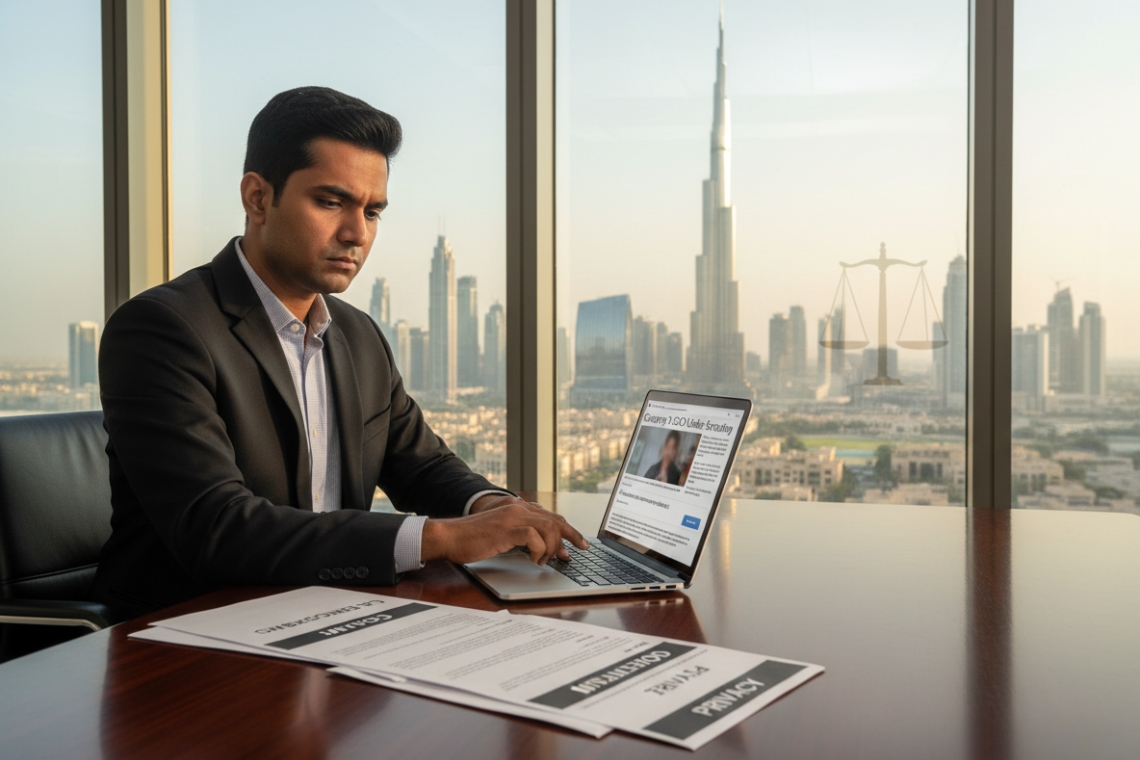
Screenshots feel harmless. Somebody messages you something you do not like, holds up a payment or tells you something suspicious- and your first reaction is to save it. Maybe even share it. In Dubai that minor thing can easily slip into a court case otherwise.
At Alqada Claims Recovery Services, this topic comes up a lot during consultations. Most people don’t want to harm others. The people respond to the situation which they face. The legal system in UAE evaluates actual results instead of human feelings. The lawyers in UAE who have gained experience through their work experience recommend that people should think about their online activities more than they actually think.
Why Screenshots Are Not “Casual Content” in Dubai
The law in Dubai considers screenshots to be electronic records instead of disposable visual content. The law protects private chat messages from disclosure even when the sender shares them with you willingly. The moment you share content through forwarding, posting, or public uploading, you become responsible for it.
This is where many people get caught off guard. They assume that because the message exists, sharing it is fair game. It isn’t. Privacy and reputation are taken seriously here, and that’s something an experienced legal advisor in Dubai will tell you very early in any dispute.
The Laws People Usually Don’t Know About
The key regulation today is Federal Decree-Law No. 34 of 2021 on Combating Rumors and Cybercrime. It replaced older cybercrime provisions and expanded digital protections significantly.
In this law, it is illegal to disseminate personal electronic material without permission even when the content is factual. It is not merely about accuracy, but also about harm. Courts consider whether the disclosure of the screenshot harmed the dignity, privacy or reputation of a person.
Most often, many people realize too late that they had been seeking professional legal services in Dubai, very often after a complaint has already been filed.
Common Situations That Create Legal Risk
(This is one of the areas where screenshots usually cause trouble.)
- Posting private WhatsApp chats during personal disputes
- Sharing payment screenshots to pressure someone publicly
- Uploading work-related conversations after resigning
- “Exposing” someone online using private messages
What surprises most people is that intent doesn’t always protect them. Even if your goal wasn’t malicious, the result still matters. This is a point professional legal consultants in Dubai stress during early advice sessions.
Why “It Was Sent to Me” Is Not a Valid Defense
When a message is sent to you it does not mean that you own it. Permission to accept does not mean permission to publish. This is very explicit in Dubai courts.
Even sharing-cropped screenshots, blurred names, edited messages-even partial can cause problems, provided that the individual can be identified. A large number of defamation cases to which a bolded Dubai-based law firm has been assigned begin with screenshots, which were distributed with a reason of trying to explain “what had happened.”
Screenshots and Defamation: Where Things Escalate
False statements are not the only defamation in Dubai. Even in the case when a screenshot harms the reputation of a person, brings ridicule, or causes harassment, this may also be considered defamation.
This usually occurs during business disputes. One shares evidence of delay or a dispute, believing it helps strengthen their position. It can do the opposite. This is why Dubai advocates and legal consultant professionals often advise clients to avoid public exposure and use formal channels instead.
Business and Workplace Screenshots Carry Higher Risk
For companies, the risks are even sharper. Internal chats, HR emails, and client communications are protected.
Problems usually arise when:
- Employees share internal messages after leaving
- Clients post private business conversations online
- Companies shame debtors using payment screenshots
These cases can affect both individuals and organizations, which is why businesses often consult Dubai advocates before reacting publicly.
When Screenshot Sharing Is Actually Acceptable
(This is another area where clarity matters.)
Screenshots are generally allowed when they are:
- Shared with a lawyer for advice
- Submitted as evidence to police or courts
- Used during official investigations
The difference is purpose. Legal protection is acceptable. Public exposure usually isn’t. Understanding this distinction early can save months of stress and reliance on UAE legal services later.
Criminal vs Civil Consequences: What People Miss
Not all screenshot problems result in an arrest, but it does not imply that they have no consequences. In Dubai, the practice of sharing screenshots may be punishable by a criminal sentence, civil claims or both.
Criminal cases focus on punishment under cybercrime laws, such as fines or other legal action, especially if the content was shared publicly or caused clear harm. Civil cases are different—they usually involve claims for emotional distress, reputational damage, or financial loss.
What many people miss is that even if criminal action isn’t taken, a civil claim can still move forward. That’s why understanding early which path a situation may take often helps limit the damage before it grows.
Why Social Media Makes Everything Worse
Once a screenshot is posted publicly, control is essentially lost. It can be shared, reposted, downloaded, and stored by people you don’t even know. Even if you delete the post later, the damage may already be done, and the content may still exist elsewhere.
Dubai courts are very careful of reach and visibility. A screenshot in a personal chat is not perceived in the same way as one published on a social network where it can be viewed by hundreds or thousands of people. When a post becomes viral, the damage can be greater, and hence the legal repercussions. This is the reason why sharing with the public is taken very seriously under Dubai law than most people believe.
In conclusion
Screenshots feel simple, but in Dubai, they’re not legally simple at all. What looks like proof to you may look like a violation to a court.
At Alqada Claims Recovery Services, our team assists clients in determining the boundary between their rights and their legal options which we achieve through our expertise before any situation escalates to a courtroom battle.
You should take a break to clarify your situation when you cannot determine whether sharing a screenshot will breach legal boundaries. The process of verifying consent requires only a brief period, which leads to better results than any potential future complications.